Posted on 02/10/2026
Bromley Council rules for graveyard flowers and disposal: a practical guide for families, florists, and visitors
If you have ever stood by a grave on a cold, grey morning with a bunch of flowers in your hand, you will know this is not just a "where do I put these?" moment. It is about care, respect, and doing things properly. The Bromley Council rules for graveyard flowers and disposal can feel a little unclear at first, especially if you are planning a memorial visit, arranging tributes, or tidying an old grave. This guide explains the usual expectations in plain English, what to look out for, and how to handle flowers in a way that is respectful and practical.
Truth be told, most people are not trying to break any rules. They just want to avoid upsetting staff, creating extra work in the cemetery, or leaving something behind that will be cleared away. So let's walk through the process calmly, with the details that actually matter.
Why Bromley Council rules for graveyard flowers and disposal Matters
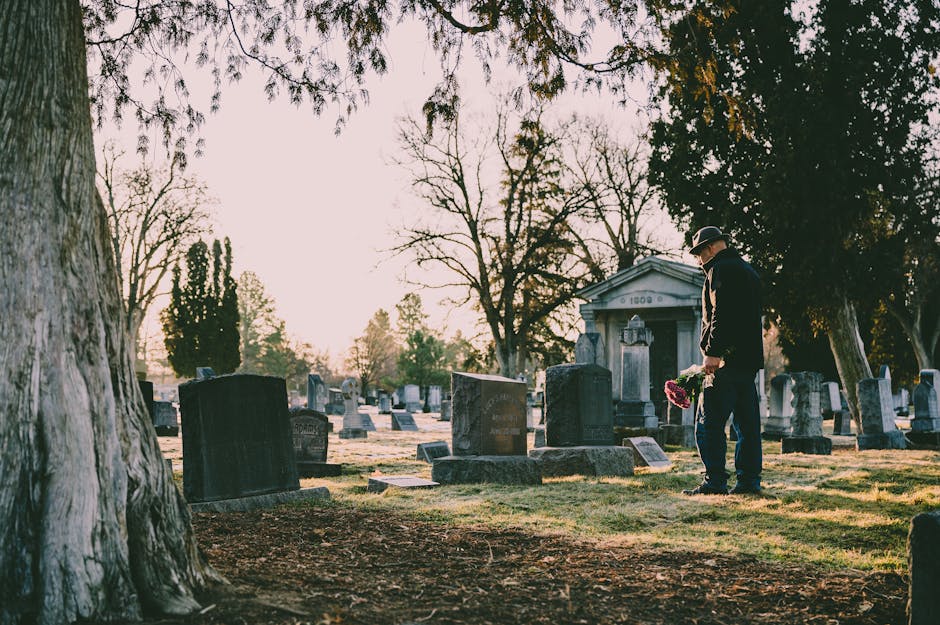
Graveyard flowers are more than decoration. They are a visible sign of remembrance. In a cemetery or churchyard, though, those flowers also sit within a managed public space. That means there are practical rules around placement, upkeep, and disposal, and those rules exist for good reasons.
First, they help keep pathways clear. Cemeteries need to stay safe for visitors, maintenance crews, and sometimes wheelchair users or families with pushchairs. Second, they stop old flowers from becoming littered, mouldy, or waterlogged. Anyone who has walked past faded bouquets on a damp afternoon knows how quickly things can look neglected. And third, they support fairness. If one memorial area is overflowing with arrangements, it can affect neighbouring graves and the overall appearance of the site.
There is also the emotional side. When flowers are left in the wrong place, or kept too long after they have turned, they can unintentionally look disrespectful. That is usually the opposite of what the family intended.
Practical summary: the basic idea is simple: place flowers where allowed, keep arrangements neat, and remove or dispose of them before they become untidy or obstructive. The exact details can vary by burial ground, but the principle stays the same.
How Bromley Council rules for graveyard flowers and disposal Works
In most council-managed cemeteries, the approach to flowers is fairly straightforward. Fresh flowers are usually welcome on or near a grave, provided they do not block access, interfere with maintenance, or break any local memorial guidance. Artificial flowers may also be allowed in certain areas, although some cemeteries restrict them because they can deteriorate badly in wind and rain. Small memorial items sometimes appear on graves too, but again, local guidance tends to set the limits.
The disposal side is just as important. Once flowers have wilted, drooped, or started shedding petals, they may need to be removed by the family or cleared during routine maintenance. In many cemetery settings, staff will remove old tributes if they are left for too long, especially when they are no longer tidy. Sometimes there are designated collection areas, composting arrangements, or general green-waste systems. Sometimes there are not. That is why a quick check of the site rules is always worth it.
If you are unsure, think in simple terms: a grave should look cared for, not crowded. A few fresh stems in a pot? Usually fine. A tangled mix of fading bouquets, plastic wraps, and broken holders? That is the kind of thing councils tend to clear sooner rather than later.
At a practical level, the process usually works like this:
- You bring flowers to the grave or memorial plot.
- You place them in a permitted container, vase, or grave space.
- You remove packaging and loose debris.
- You return later to refresh or remove the flowers when they fade.
- If the site has a disposal or collection point, you use it rather than leaving waste at the grave.
That is the basic flow. Simple, but easy to get wrong if you are rushing on a Sunday afternoon and trying to juggle a watering can, a card, and a bunch of chrysanthemums at the same time.
Key Benefits and Practical Advantages
Following cemetery flower guidance is not just about compliance. It makes visiting easier, tidier, and more reassuring for everyone involved.
- It keeps memorials looking cared for. A neat tribute feels more dignified than an overgrown or decaying arrangement.
- It reduces the chance of removal. If flowers are placed appropriately, they are less likely to be taken away during routine grounds maintenance.
- It helps families plan visits. When you know the likely expectation, you can choose flowers that suit the setting and last a sensible amount of time.
- It makes disposal less stressful. You are not left wondering what to do with old stems, plastic sleeves, or broken oasis foam.
- It supports shared spaces. Cemeteries are communal places. A little consideration goes a long way.
There is a quieter benefit too: peace of mind. When you know the rules, you spend less time second-guessing yourself and more time on the visit itself. And that matters more than people sometimes admit.
Who This Is For and When It Makes Sense
This guidance is useful for quite a few people, not just one kind of visitor.
Families and regular visitors often need to know what is acceptable on a grave after a funeral, on anniversaries, or before religious or seasonal remembrance dates. If you are visiting a relative's resting place every few weeks, you may also want to choose flowers that are easy to maintain.
Florists arranging sympathy flowers, wreaths, and tributes need to understand how memorial arrangements behave in real cemetery conditions. A large, top-heavy design might be beautiful in a home, but not so sensible in a windy burial ground. That is just honest experience.
Funeral organisers and people helping with graveside services often need to advise families on what to bring, how to secure it, and what happens afterwards.
Visitors looking after older graves may be dealing with faded floral foam, brittle ribbon, or old plastic containers that need removing carefully. A little planning avoids an awkward, messy visit.
If you are simply not sure, the safest approach is to keep things modest, tidy, and easy to collect later. The cemetery is not the place for experimental arrangements with glitter, loose confetti, or anything likely to blow about in the breeze. Let's face it, nobody wants to be chasing rose petals across a wet path.
Step-by-Step Guidance
Here is a clear, practical way to handle graveyard flowers and disposal without overcomplicating it.
1. Check the site rules before you go
Before taking flowers, review the cemetery or churchyard guidance if you can. Some burial grounds allow only certain types of containers. Others have specific rules for artificial flowers, planted arrangements, or memorial items. If the site is managed by a local authority, its burial guidance is usually the best starting point.
2. Choose flowers that suit the season and the site
Fresh cut flowers are often the safest choice if you want something simple and respectful. In colder months, hardy flowers tend to last better. In warmer weather, think about water and shade. A tightly packed bouquet can look lovely, but a slightly looser arrangement may last better in a grave vase. Small detail, but it matters.
3. Remove packaging and anything non-biodegradable
Cellophane, rubber bands, plastics, foam, and loose gift wrap should not be left around the grave unless the site specifically allows them and they are intended to be collected later. Remove the bits that do not belong. It takes a minute and saves a lot of fuss.
4. Place the flowers securely
If there is a vase hole, a permitted container, or a designated memorial area, use it as intended. Make sure the arrangement will not tip over in wind or rain. If the site allows flowers to rest directly on the grave, keep them compact and tidy so they do not scatter.
5. Return to remove faded flowers
Do not wait until flowers are completely collapsed. Once they start to wilt, droop, or turn brown at the edges, it is usually time to refresh them or take them away. A quick weekly or fortnightly check can make all the difference.
6. Dispose of waste properly
Use any designated cemetery waste point if there is one. If not, take old flowers, packaging, and broken holders home and place them in the appropriate household or garden waste stream, depending on local guidance and what the material is made of. Green waste and plastics are not the same thing, and they should not be treated as if they were.
7. Leave the area neat
A final tidy matters. Straighten the flowers, collect fallen petals, and make sure nothing has blown onto the path or another grave. This last step sounds obvious, but you would be surprised how often it gets missed.
Expert Tips for Better Results
Over time, a few habits make memorial flowers easier to manage and more appropriate for burial grounds.
Choose flowers that age gracefully. Carnations, chrysanthemums, lilies, roses, and alstroemeria are often chosen because they can look good for longer than softer, more fragile stems. If you want something especially fitting for remembrance, look at modest arrangements rather than oversized showpieces. For people arranging a sympathy tribute, a selection from the funeral flowers range can be more practical than a mixed bouquet designed for a living room table.
Use sturdy containers. A lightweight plastic cup hidden inside a decorative vessel can blow over. A secure vase or a proper grave container tends to work better. The little things save time later.
Avoid overcrowding. A grave does not need to be packed with flowers to show love. Often the most moving tribute is the simplest one. A single well-chosen arrangement can feel more thoughtful than six clashing bunches.
Think about weather. London rain has a way of appearing when you least expect it, and a breezy cemetery path can turn a lovely bouquet into a mess. If a visit is planned for later in the day, consider whether flowers will still look good after a few hours outdoors.
Plan disposal at the same time as placement. That sounds obvious, but it really helps. If you know in advance where old flowers will go, you are much less likely to leave them sitting too long.
One more thing: a respectful arrangement does not need to be expensive. Sensible, neat, and appropriate usually beats flashy. Every time.
Common Mistakes to Avoid
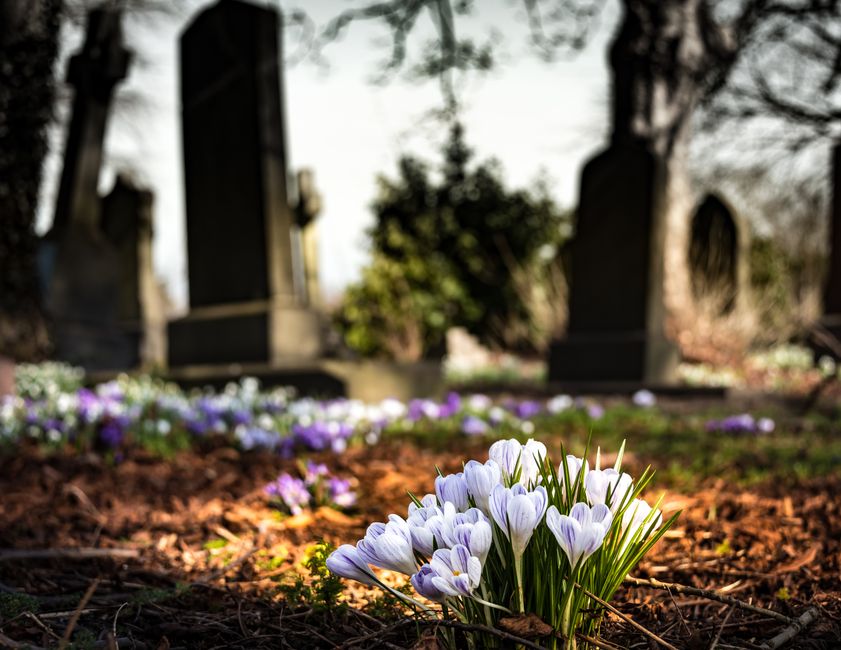
People usually make the same handful of mistakes when dealing with grave flowers and disposal. Avoiding them saves embarrassment and keeps the site tidy.
- Leaving faded flowers too long. Once arrangements look tired, they can be removed during site maintenance anyway.
- Using too much packaging. Wrappers, ribbons, and plastic sleeves can create more waste than the flowers themselves.
- Choosing fragile displays for outdoor conditions. A big airy bouquet may be lovely indoors but poor in wind and rain.
- Blocking access or maintenance areas. Graves need space around them for safe upkeep.
- Assuming all cemeteries work the same way. They do not. A churchyard and a council cemetery may handle flowers differently.
- Mixing waste types. Organic flowers, plastic wrap, foam, and broken pots should not all be treated as one pile.
- Ignoring seasonal clean-ups. Some sites have periods when old floral tributes are removed more actively. That is normal, not personal.
If in doubt, keep it simple. Simple rarely causes problems.
Tools, Resources and Recommendations
You do not need much to manage graveyard flowers well, but a small kit makes life easier.
| Item | Why it helps | Best use |
|---|---|---|
| Small secateurs or scissors | Trim stems neatly before placing them | Fresh bouquets, wreaths, and tribute work |
| Reusable vase or grave container | Helps stop flowers falling over | Longer-lasting cemetery visits |
| Biodegradable tie or soft ribbon | Secures stems without leaving hard plastic behind | Simple, respectful arrangements |
| Gloves | Useful when clearing faded flowers or damp material | Disposal and site cleaning |
| Carrier bag or tote | Makes it easier to take waste home if needed | Visits where no disposal point is available |
For flower selection, a florist who understands memorial work can be helpful. If you are ordering locally, a knowledgeable florist in Chislehurst BR7 can guide you toward flowers that are more suitable for outdoor remembrance settings. In practice, that usually means arrangements that travel well, last sensibly, and look dignified rather than overworked.
If you need something specifically for sympathy or remembrance, a dedicated funeral flowers collection can be more appropriate than a general bouquet. And if timing matters, it is worth checking whether same-day flower delivery is available so the tribute arrives when it is actually needed.
For people who want to learn more about care and handling after delivery, the site's flower care guidance can be useful as well. It is a small thing, but good aftercare can extend the life of a memorial arrangement by several days.
Law, Compliance, Standards, or Best Practice
This is one of those topics where local practice matters more than dramatic legal language. Cemeteries and churchyards are usually governed by their own site rules, and these can cover what may be placed on graves, how long items may remain, and when old tributes can be removed. If the burial ground is run by a council or a church authority, the guidance is there to keep the site safe, respectful, and manageable.
From a best-practice point of view, there are a few steady principles to follow:
- Respect the site layout. Graves, paths, and maintenance access all need to stay usable.
- Use stable, appropriate materials. Outdoor conditions are hard on flowers, so secure them properly.
- Remove waste promptly. Wilting flowers, broken containers, and wrapping should not be left indefinitely.
- Do not assume permanent display rights. Even when flowers are welcome, cemeteries generally retain the right to manage the space and clear items that are untidy or unsafe.
- Follow the local authority's instructions where they exist. That is the clearest and safest route.
In some situations, religious customs or family traditions may also matter. For example, certain families prefer simple natural tributes, while others use shaped arrangements, letter tributes, or wreaths for anniversaries and memorial dates. The key is that tradition and site guidance should work together, not clash. A bit of judgement goes a long way.
If you are organising a memorial and want the floral side to feel calm and respectful, the broader range of tribute options on the site, including tributes and wreaths, can help you choose something that suits the grave and the occasion.
Options, Methods, or Comparison Table
Different types of grave flowers suit different needs. Here is a simple comparison to help you decide what works best.
| Option | Best for | Pros | Watch-outs |
|---|---|---|---|
| Fresh cut flowers | Short visits, anniversaries, weekly remembrance | Natural, traditional, respectful | Need replacing sooner |
| Small potted plants | Longer display in allowed areas | Can last longer if maintained | Not suitable for every grave space |
| Artificial flowers | Low-maintenance remembrance | Last longer in weather | May be restricted or look worn quickly |
| Wreaths and sprays | Funerals, formal tributes, special memorial dates | Visually strong and ceremonial | Can become cumbersome if left too long |
| Loose bouquet arrangements | Simple personal visits | Flexible and easy to buy | May need a container or vase |
If you are choosing between them, ask a basic question: how long do you want the tribute to stay neat? That single question usually narrows the answer quickly.
Case Study or Real-World Example
A family visiting a grave in Bromley for a parent's birthday wanted something thoughtful but easy to manage. They were planning a short visit in the late morning, then another return a fortnight later. Instead of buying a large mixed bouquet with lots of wrapping, they chose a neat white-and-green arrangement with a simple vase. The flowers were placed securely, the packaging was taken away immediately, and the family agreed they would check the site again on their next visit.
Two things stood out. First, the arrangement looked better for longer because it was not overloaded with delicate stems. Second, the family did not have to wonder what to do with leftover packaging. That sounds minor, but on an emotional day, minor things can feel huge. A clear plan removes a surprising amount of stress.
By contrast, I have seen people arrive with a beautifully wrapped bouquet, only to find there is no obvious place to leave the plastic, the wind is picking up, and they are trying to read a plaque while holding three separate bits of waste. Not ideal. Not at all.
Practical Checklist
Use this quick checklist before and after placing grave flowers.
- Check whether the burial ground has specific flower rules.
- Choose a tribute that suits the weather and the length of your visit.
- Remove loose packaging and non-essential wrapping.
- Use a stable vase, container, or permitted placement area.
- Keep the arrangement tidy and compact.
- Return to refresh or remove flowers before they fade badly.
- Use the correct waste point or take materials home for disposal.
- Leave the grave and surrounding area clean.
- Be mindful of neighbouring graves and access paths.
- Choose simple, respectful designs if you are unsure.
If you can tick all of those off, you are in good shape. And honestly, that is usually enough.
Conclusion
The Bromley Council rules for graveyard flowers and disposal are really about care, order, and respect. Once you understand the basic expectations, the whole thing becomes much easier. Choose flowers that suit the setting, keep them tidy, remove them when they fade, and dispose of waste properly. That is the heart of it.
For many families, the most comforting approach is the simplest one. A neat floral tribute, a quiet moment, and the knowledge that you have done things properly. That matters. It really does.
Get a free quote today and see how much you can save.
If you are planning a remembrance arrangement, a funeral tribute, or a simple grave-side bouquet, it helps to work with flowers that are practical as well as meaningful. A little planning can make the visit feel calmer, kinder, and more dignified.
Frequently Asked Questions
Can I leave flowers on a grave in Bromley year-round?
Usually, flowers can be left for a period of time, but they should not be left indefinitely once they fade or become untidy. Cemeteries may remove old tributes during routine maintenance. The exact expectation depends on the site.
Are artificial flowers allowed in Bromley graveyards?
They may be allowed in some locations and restricted in others. Local cemetery guidance is the safest reference, because artificial flowers can be treated differently depending on the site and season.
What should I do with wilted grave flowers?
Remove them as soon as they look tired or damaged. If there is a designated waste point, use it. If not, take them home and dispose of them in the appropriate waste stream. Do not leave decayed flowers on the grave.
Can I put flowers directly on the grave soil?
That depends on the cemetery's rules and the condition of the grave plot. Some sites allow it, while others expect flowers to be in a container or permitted holder.
Do I need a special vase for grave flowers?
Not always, but a stable container usually helps. It stops flowers from falling over, especially in windy or rainy weather, and it keeps the grave looking neat for longer.
How often should grave flowers be changed?
There is no single timetable. In warm weather, flowers may only last a few days. In cooler conditions, they may last longer. A quick weekly check is often sensible, but it depends on the arrangement.
What flowers last the longest on a grave?
Hardier flowers such as chrysanthemums, carnations, lilies, alstroemeria, and roses often hold up better than very delicate stems. The best choice also depends on weather and placement.
Can I use floral foam at a grave?
Some arrangements use floral foam, but it should be handled carefully and not left as litter. If the site has guidance on materials, follow that. When in doubt, choose a simpler, less wasteful arrangement.
Will the council remove flowers if I leave them too long?
Possibly, yes. Cemeteries are often maintained on a schedule, and old flowers may be removed if they become untidy or block access. That is normal maintenance rather than a personal action.
What is the most respectful way to dispose of old grave flowers?
Remove them neatly, separate packaging from plant material where possible, and use the site's waste area if one exists. If there is no disposal point, take everything home and dispose of it properly.
Can I bring a large wreath or tribute to a cemetery visit?
Yes, if the cemetery allows it and the tribute suits the grave space. Larger tributes are often used for funerals and special memorial dates, but they need to be positioned carefully so they do not obstruct paths or neighbouring plots.
Where can I get help choosing suitable memorial flowers?
A florist familiar with funeral and remembrance work can help you choose something appropriate for the site and the occasion. If you want a practical, dignified option, look for arrangements designed for memorial use rather than general display.